
Trust what you have.
Then prove it.
Independent, third-party, on-site measurement of the grain in your bins — and a signed report your board, your banker, and a state examiner can all stand behind. Covering the lower 48.
what you get, in plain terms
Every engagement can include a free year of self-measurement access. See how it works ↓
Your books say how much grain should be there.
We measure how much actually is.
Book inventory and physical inventory never tie out on their own. Real handling shrink is small and known — about 0.25–0.5%. So a large gap between what the records say and what's in the bin isn't shrink. It's a shortfall — and the only question is whether you find it first.
A state examiner doesn't take your book stock on faith — they measure the grain. If book stock runs over measured inventory by more than 500 bushels and 1%, you write it down or buy grain to balance. Better to know on your own schedule.
Borrowing-base reconciliation advances roughly 85 cents on the dollar against a number the borrower reported about itself, with no physical count behind it. An independent measurement puts real collateral under the loan.
Field exams check the paperwork. We measure the grain.
Checks receivables, perpetual records, and the borrowing base — and isn't an audit or a physical count. Generalists can test-count boxes; none are equipped to measure grain in a bin.
A permanent, six-figure capital install — and the data is owned and controlled by the borrower. Useful for running the place; it isn't independent attestation.
Grades quality and weighs at transfer — moisture, protein, damage. It never tells your lender how much grain sits in your facility.
Amateur bin measurement runs error-prone — off by enough, on a house that size, to be the discrepancy you're trying to explain.
An independent count would have caught it on day one.
Every one of these surfaced at the worst possible time — a missed payment, a regulator's visit, a bankruptcy filing. None of them had a third party measuring the grain. The cost of finding out late is public record.
Farmers were owed more than $40 million. The elevator physically held only a fraction of the grain its warehouse receipts claimed, and lenders had advanced $70M+ against it. Farmers recovered $9.25 million.
Verify this story — Hunton Andrews KurthA long-trusted manager ran a phantom inventory undetected for years — grain that wasn't there backing a CoBank loan. The co-op had never had an audit.
Verify this story — AgweekA third-party audit found roughly $20 million in missing inventory. Regulators cited significant deficiencies between the warehouse-receipt records and physical measurements of the grain.
Verify this story — Feed & Grain
Find the gap on your terms — not in a regulator's exam or a bankruptcy filing.
The same method,
start to signed report.
The same five steps whether it's one on-farm bin or a forty-site commercial system. Each step is a link in a chain of evidence the final report is built on.
See the full method →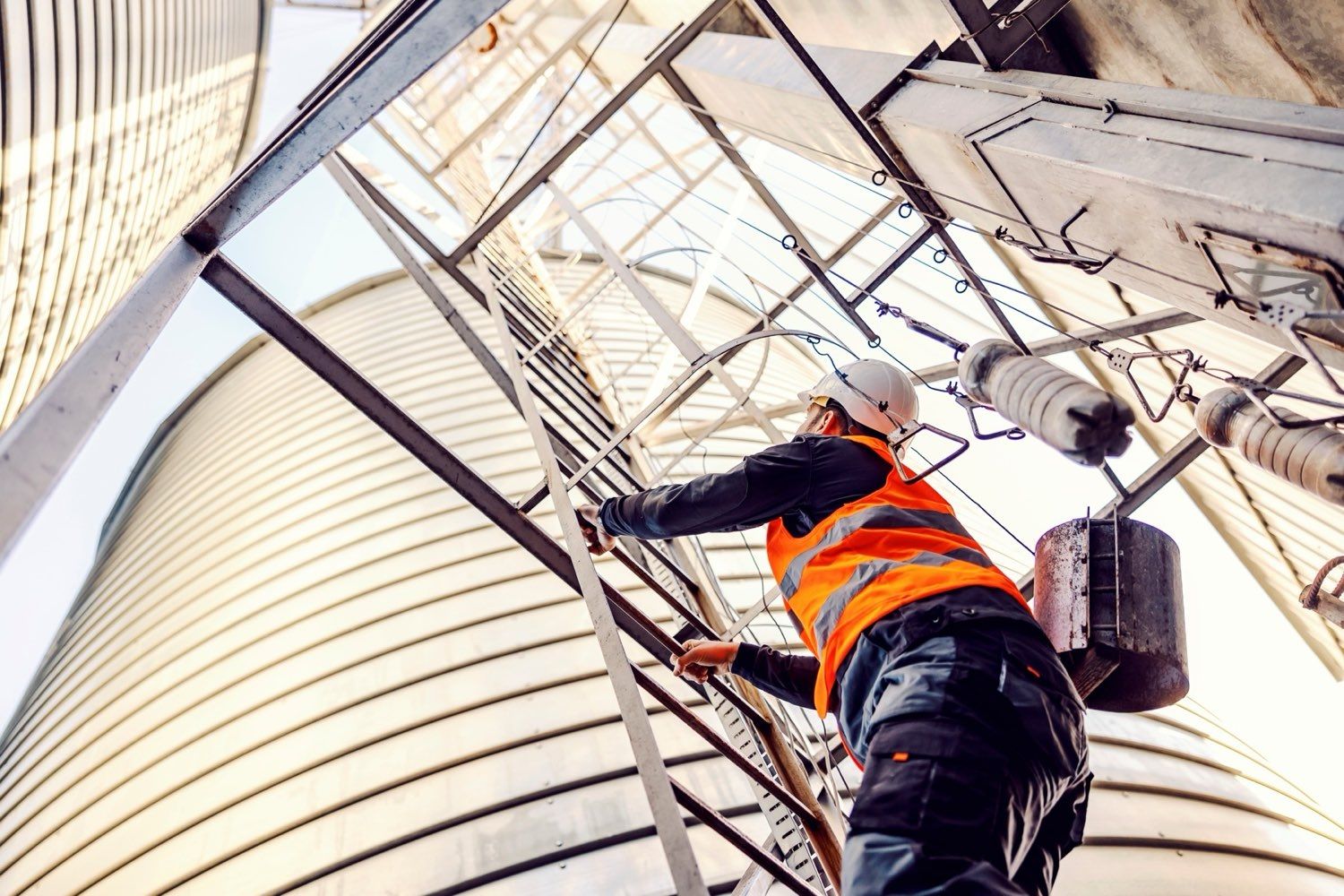
- 01ScopeYou tell us what to count and where. We confirm scope and quote in writing.
- 02ScheduleWe set the field date and send a pre-arrival checklist.
- 03Measure on-siteA physical, measured-volume count — bin by bin, not paperwork.
- 04Signed report + reviewA per-commodity, per-location report, walked through with you.
- 0530 days of supportA month of clarification on the report, plus a review meeting.
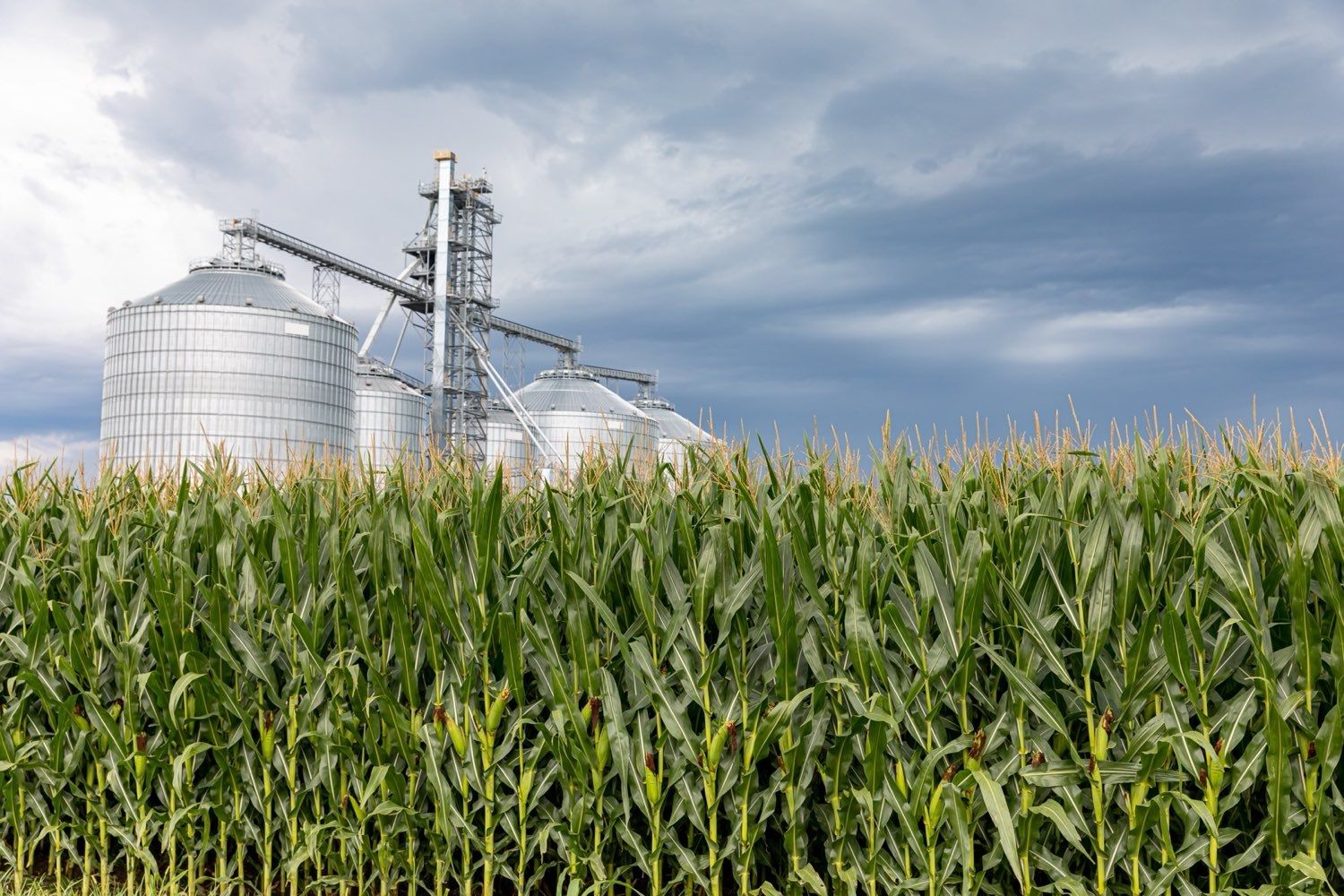
Elevators & terminals
Country, river, and terminal operators who need book stock to reconcile honestly against what's measured in the bin — before an exam, a renewal, or a board meeting does it for them.
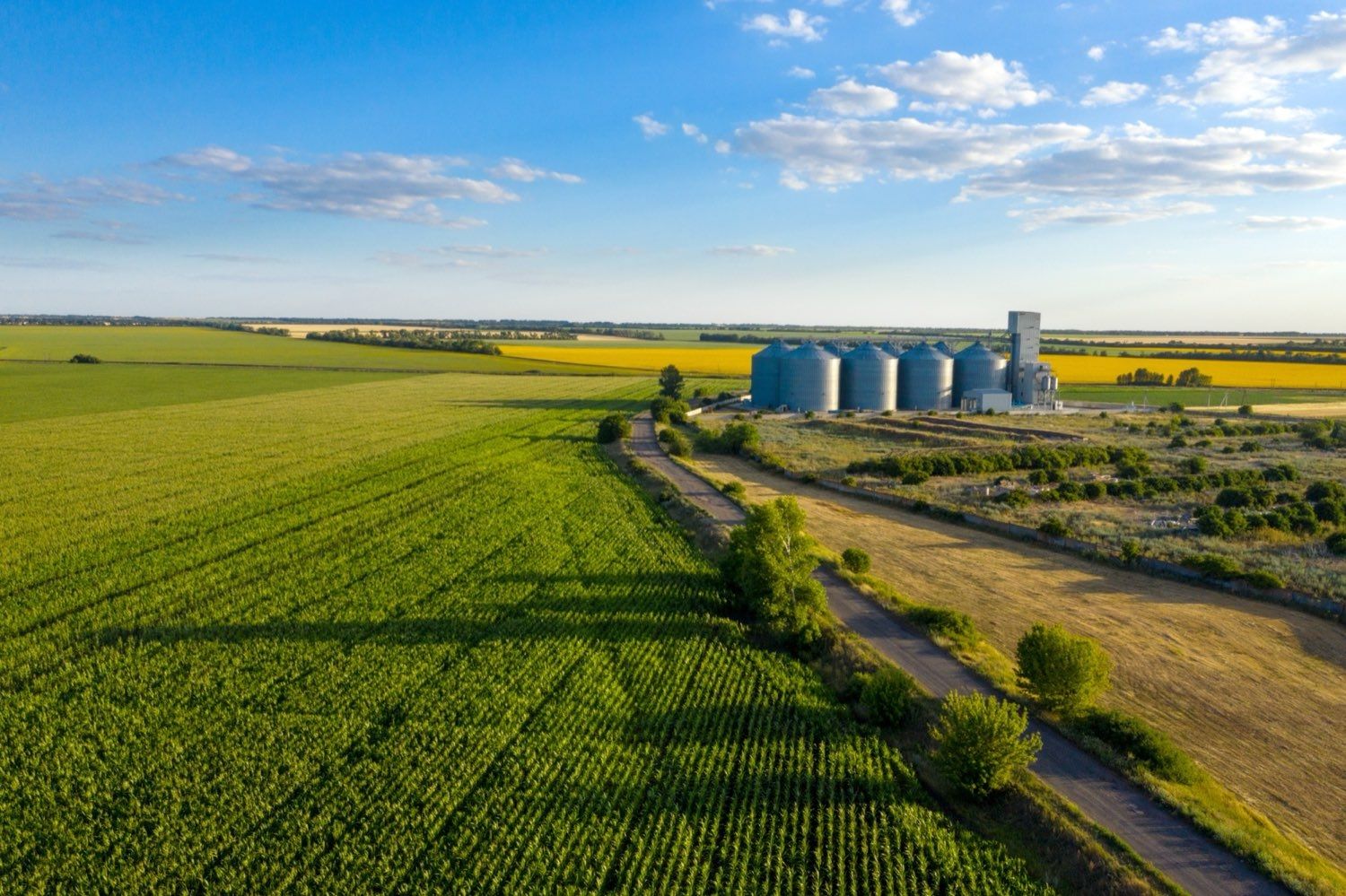
Farmer co-ops & boards
An independent count is how a board discharges its fiduciary duty — and protects the members, the credit line, and a manager who's doing it right.
On-farm storage
Know exactly what you own — for a loan, a sale, an estate, or a partnership split — measured to the standard examiners use.
Often commissioned by the people who rely on the number: ag lenders & banks, CPAs & auditors, crop and storage insurers, bankruptcy trustees, or the other side of a buyout.
We already track inventory in our own software — why pay for an outside count?
Can't we just measure the bins ourselves?
Why not install grain sensors?
Isn't this what USDA / FGIS already covers?
How is this different from the field exam our lender runs?
Corn · Soybeans · Spring wheat · Edible beans · Barley · Sunflowers & more